The One Timeline Mistake That Creates Stress on Wedding Day, and How to Avoid It
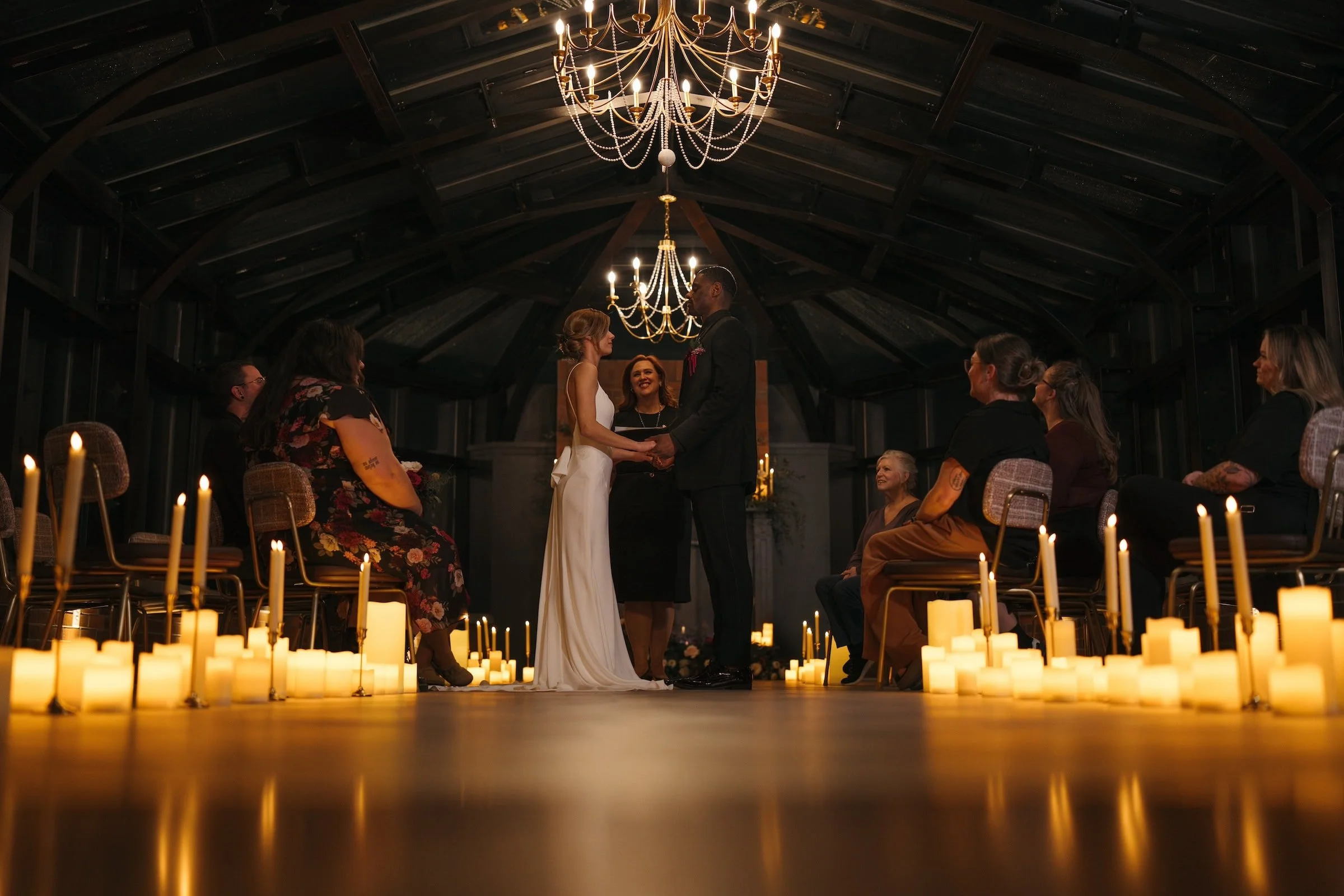
If I had to pick the single biggest timeline mistake I see couples make, it's this: scheduling the ceremony too close to sunset.
A 5 PM ceremony time sounds harmless on paper.
A later ceremony means a more relaxed morning, and everyone loves the idea of golden hour photos. But when the ceremony creeps too close to sunset, the math stops working. By the time you're through the ceremony, cocktail hour, and family formals, natural light is gone and there's no getting it back.

Have a big family? Keep reading
This gets especially tricky with larger families. Big families mean more combinations of family photos, more time needed to gather people, and more time spent waiting on Aunt Linda to reapply her lipstick. Every extra grouping eats into a window that was already too small.
Once the light goes, the options aren't great. We can bring in lights, but that adds setup time you don't have, and it often means losing your venue as the backdrop string lights and stucco walls instead of that mountain view or garden you fell in love with. In the worst case, you miss sunset portraits of the two of you entirely, which for a lot of couples is the shot they wanted most.
Trying to compress family formals, wedding party photos, and couple portraits into the sliver of time between "I do" and dinner just isn't realistic. Something always gets rushed, and rushed usually means stressed.
The fix: do a first look. Schedule all of your photos, yes, I said all - family formals, wedding party, and most of your portraits - before the ceremony, and save only the sunset bride-and-groom session for after. You still get your late ceremony time and your golden hour couple photos, but you're not gambling the rest of your photo list on daylight that may not last. It also means you and your fiancé actually get to enjoy cocktail hour instead of disappearing for photos while your guests wait.
BONUS - The Second Mistake: Booking Too Few Hours
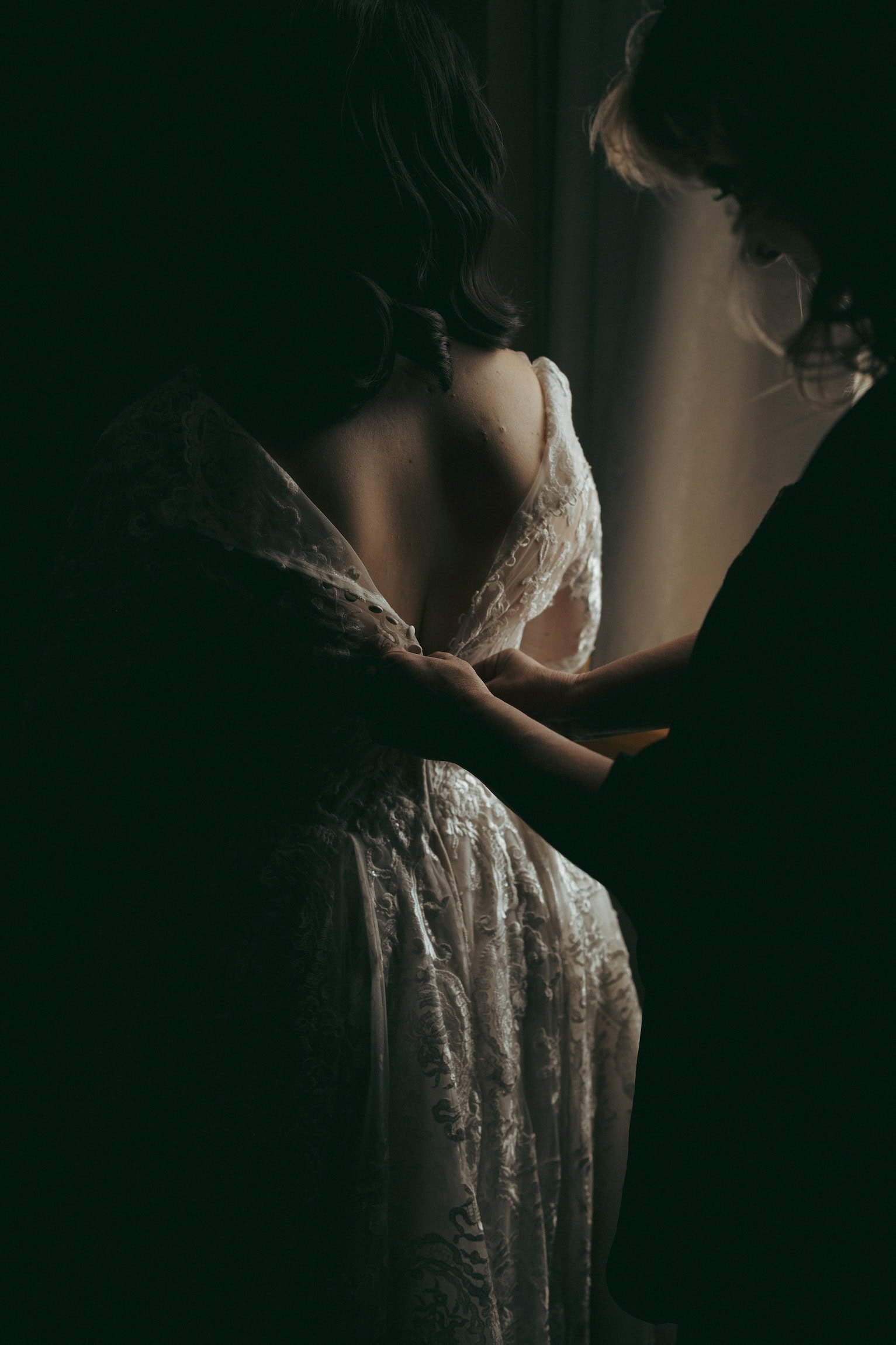
The other timeline mistake I see constantly is hiring a photographer for too short a window. Even six hours isn't enough for a traditional wedding day once you account for getting ready, the ceremony, formals, cocktail hour, reception details, first dance, toasts, and dancing.
This is why I offer full-day coverage. I'm there from the morning getting-ready shots through the last dance at night, so nothing important happens while I'm packing up or already gone.
People sometimes ask how I handle 14-hour wedding days. The honest answer: I take breaks. And that's exactly what I want for my couples too. Your wedding day shouldn't feel like one long photoshoot from sunup to sundown. You should be able to step away, eat something, laugh with your family, and actually be present with the person you just married, not perform for a camera for fourteen straight hours.
Good full-day coverage isn't about being in your face the entire time. It's about being there for the moments that matter, and giving everyone, including you, room to breathe in between.